Shop by dance

A cleaner release for the turns. A floor rated for hard shoes.

Rolling it up after class?

Adagio is built for permanent installs. Adagio Tour is the same controlled-slip surface at 1mm, packed to roll up and travel. Rosco points permanent floors to the thicker Adagio, so pick by how your floor lives, not by the price gap.

See Adagio Tour →
Ballroom & Latin Dance Flooring
THE COLLECTION

Ballroom & Latin Dance Flooring

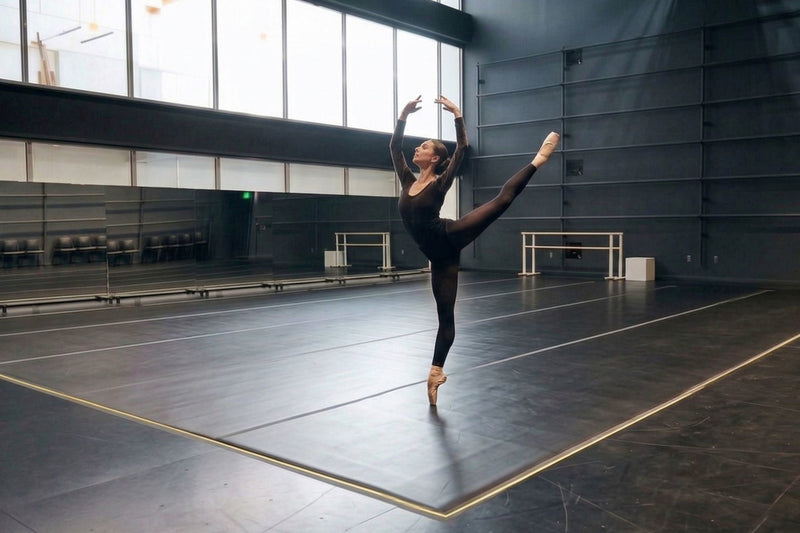
Ballroom and Latin want release, not grip. Smooth styles travel the length of the room. Latin and social styles pivot in a small square. Both need a surface a shoe can leave cleanly on a turn, and both put heel tips on the floor.

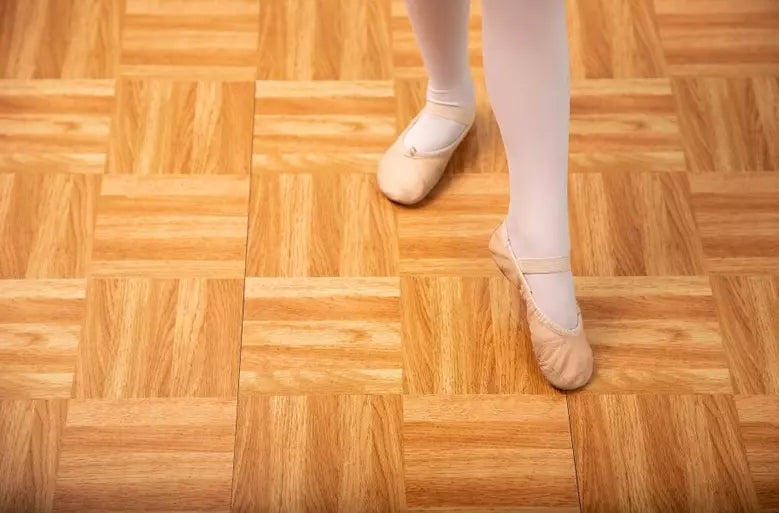
Our picks: VersaStep Pro is the everyday roll, and its spec sheet lists ballroom and salsa outright. Rosco Adagio is the studio floor when you are installing for good. Adagio Tour is the same surface at 1mm, built to roll up and travel. Practice Dance Floor Tiles snap together over any flat floor, take heels, and give you the wood look ballroom is usually danced on.

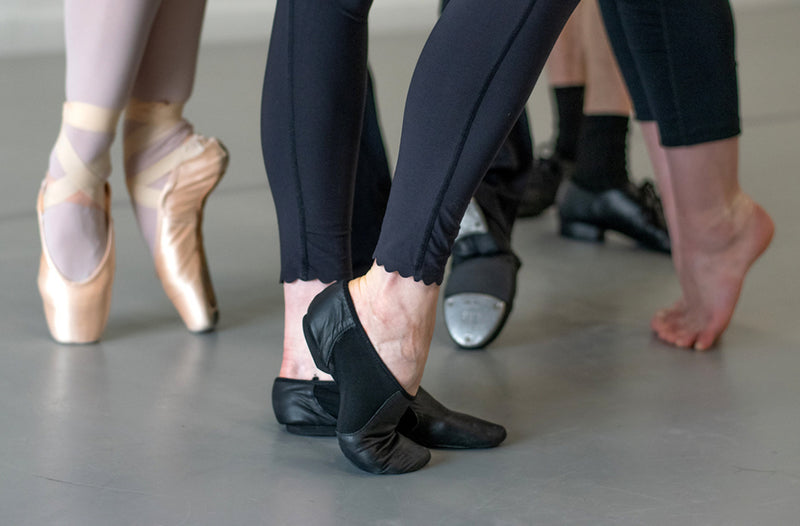
The rule we won't bend: if you dance in heels, dance on a floor rated for hard shoes. A heel tip carries your whole weight on a fraction of a square inch. Every floor on this page takes hard shoes and soft alike, provided your heel tips are in good repair. ProStep is soft-shoe only, which is why you will not find it here.

Not sure which is right? Take the 60-second quiz or order 3 free samples.

Showing 6 products

Marley is not a ballroom hardwood, and we will not pretend otherwise

Competition ballroom is danced on sprung hardwood with a dance finish. That is what the technique was built around, and no vinyl floor is going to feel like it. Marley is a controlled-slip surface by design, so it reads slower under suede than a polished wood floor does.

What marley buys you is a floor you can install in a day, cut to your room, and take with you when you move, for a fraction of the money. For most home studios and practice rooms that is a trade worth making. If the wood look is what you are after, the Practice Dance Floor Tiles are the affordable route, and Wood Grain Marley is the premium one, a wood-look vinyl over a cushioned rubber base. Wood Grain is a permanent install with a 25 ft minimum cut per strip, so price it before you fall for it.

Smooth travels, Latin pivots, and how many seams you will have

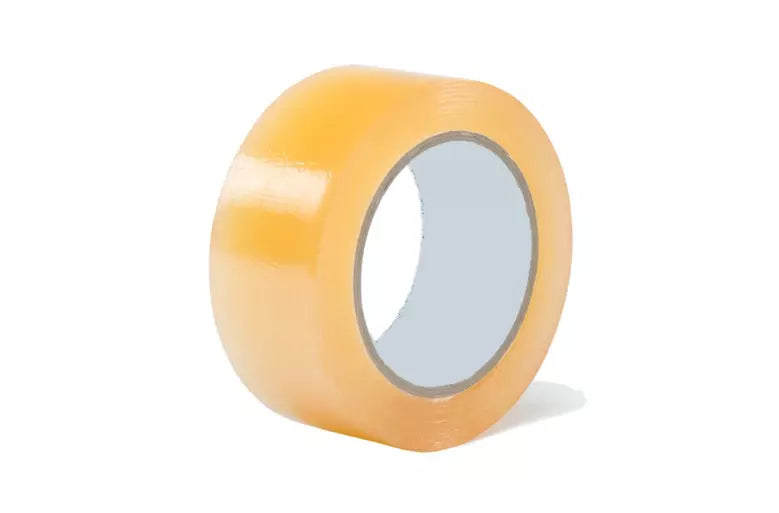
Smooth and standard styles cover ground, so a roll beats 12 inch tiles and fewer seams is better. Our marley rolls are 63 inches wide. A 15 ft room takes three strips and two seams. A 20 ft room takes four strips and three seams. Run the strips along your line of travel so pivots and traveling figures cross fewer joins, butt the seams tight, and tape them flat with dance floor tape.

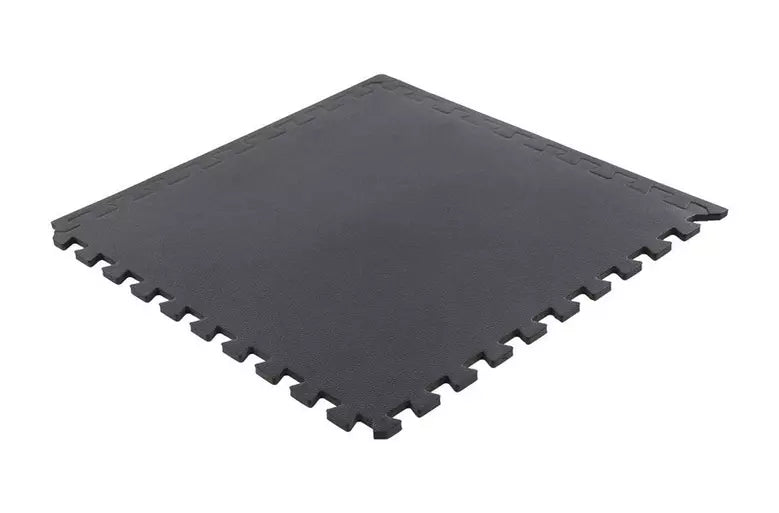
Latin and social styles work a smaller square with sharper pivots, so a compact floor goes further, and that is where the interlocking tiles earn their place. Over concrete, a slab or tile, put subfloor tiles down first and lay the marley on top.

Common questions

Can you ballroom dance on a marley floor?

Yes, on a floor rated for hard shoes. It will not feel like a maintained hardwood ballroom, because marley is controlled slip by design. Order a free sample and stand on it in your own shoes before you commit to a cut.

Will my suede soles stick to it?

Suede reads a floor more than any other sole, and marley grips more than hardwood on purpose. Dancers usually brush the nap when a floor feels slow. Rubber street soles are the real problem here, because they grab.

Will heels dent the floor?

Every floor on this page is rated for hard shoes, so an intact heel tip is fine. A worn tip with the nail showing through is not, and neither is a street stiletto. All of that load sits on a fraction of a square inch. Replace tips early, and expect marks to show most on light colors.

Are the Practice Dance Floor Tiles right for ballroom and Latin?

Yes, and they take heels. One tile is one square foot, so your tile count is your square footage, and they snap together over any hard flat floor with no glue or tools. The wood look is closer to what ballroom is usually danced on than a solid-color marley. For a full traveling smooth floor a roll still wins on seams, and if tap is your main style use our tap tiles instead.

Do I need a subfloor?

Over a solid wood floor, no. Over concrete, a slab or tile, yes. Home Dance Subfloor Tiles go down first and the marley goes on top. Repeated impact on a bare slab is what gets people hurt.

Can I powder or wax the floor to make it slide more?

No. No rosin, no wax, no powder. Rosin leaves a residue on marley that is close to impossible to get off, and powder makes the floor unpredictable from one spot to the next. Clean it with all-purpose cleaner and let the shoes do the adjusting.